
 Anglais
 français
 espagnol
 russe
russe coréen
 japonais


Low Methoxyl Apple Pectin Powder | Standardized DE 30%-48%
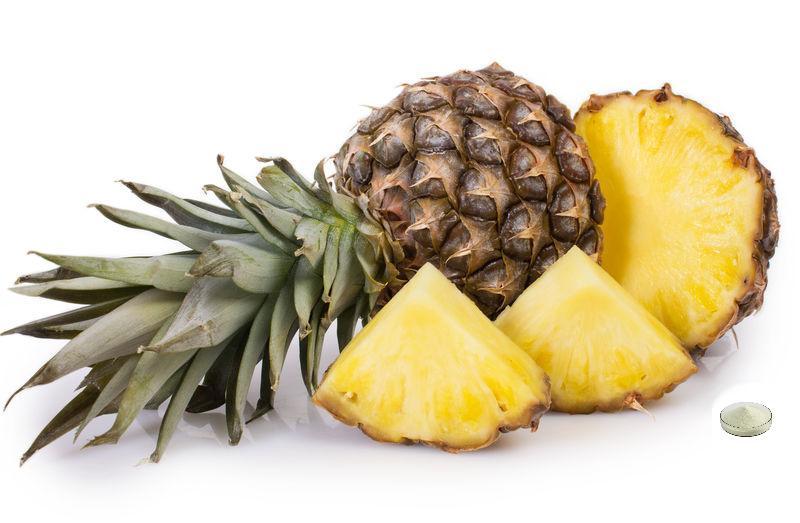
LatinName: Malus domestica
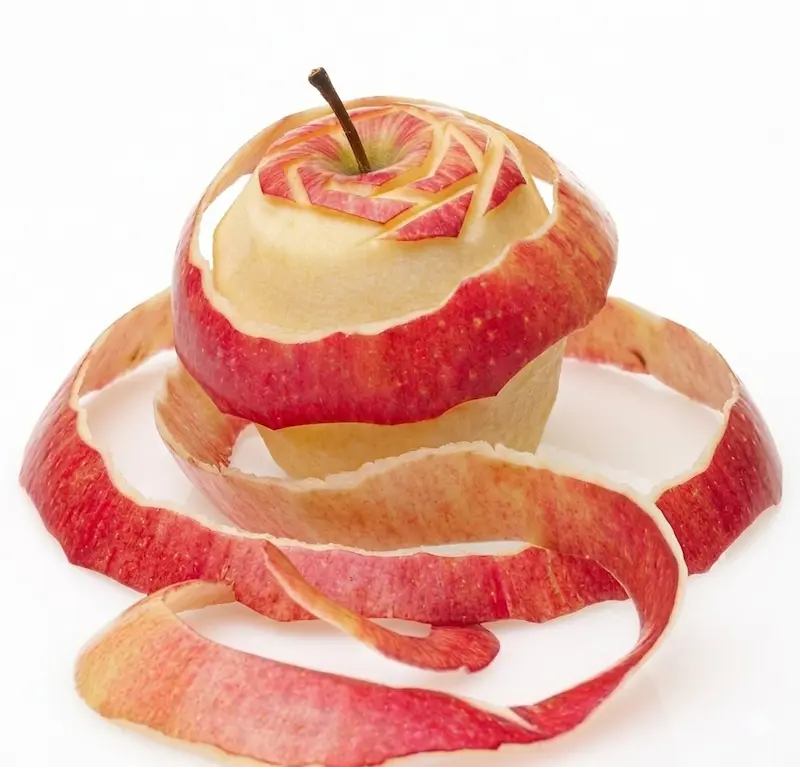
Source: Dried pomace and peels of Malus domestica
CAS No.: 9000-69-5
Pectin Structural Type: Conventional Low Methoxyl (LMC)
Degree of Esterification (DE): 30% - 48% (via HPLC / Titration Validation)
Gel Strength (USA-SAG): 100 - 130 SAG Grade (IFT Standard)
Testing Method: USP / FCC / EU Commission E440
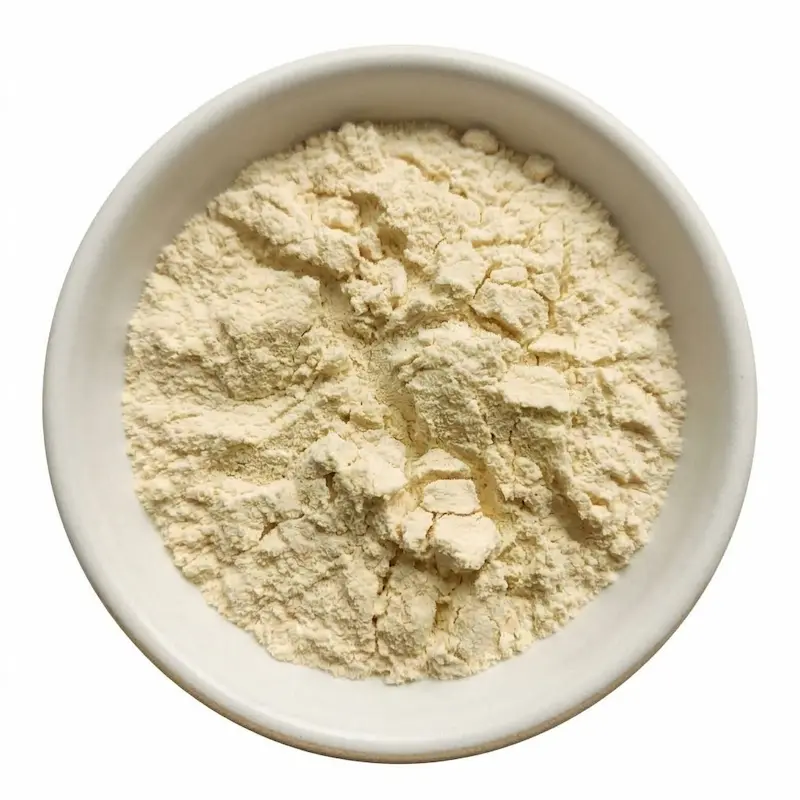
Appearance: Cream to light yellowish free-flowing granulated powder
pH (1% Solution): 3.2 – 4.5 (Optimized Calcium-reactive Zone)
Certificate: BRCGS, IFS, Organic (USDA/EU), Halal, Kosher
Sample: 10-50g Free Sample Available for R&D
- Description Description
- Fiche technique
-
What is Low Methoxyl Apple Pectin?
Low Methoxyl (LM) Apple Pectin is a compendial-grade carbohydrate polymer extracted from Malus domestica pomace, standardized to a Degree of Esterification (DE) of 30%–48%. Operating independently of high soluble solids, this structural polysaccharide initiates a thermally reversible gel network through electrostatic cross-linking with divalent calcium ions (Ca²⁺), serving as a plant-based alternative to animal gelatin.
The manufacturing substrate is specifically calibrated for low-soluble-solids matrices maintaining a Brix level below 55% and processing boundaries of pH 3.2–4.5. This precise boundaries environment governs exact cold-set texturizing kinetics required across macro-industrial food, nutraceutical, and dairy formulations to ensure uniform batch-to-batch consistency.
The material is physically re-engineered into a uniform 60 to 80 mesh granulated particle size distribution to balance initial hydration velocity. This physical alignment shifts the wet-out window, inhibiting macro-colloidal agglomeration and mechanical fish-eye formation inside bulk transfer lines to secure a homogeneous phase on automated blending lines.
Spécification:
Nom du produit
Low Methoxyl Apple Pectin Powder (E440i)
Nom Latin
Malus domestica
CAS non.
9000-69-5
Source:
Dried pomace and peels of Malus domestica
Pectin Structural Type Conventional Low Methoxyl (LMC) – Non-Amidated Degree of Esterification (DE) 30.0% – 48.0% verified via HPLC / Titration Validation Gel Strength (USA-SAG) 100 – 130 SAG Grade complying with IFT Standard Gelatinization Method Testing Method & Alignment Compliant with current USP, Food Chemicals Codex (FCC), and JECFA monographs apparence Free-flowing cream to light yellowish granulated powder Hydrocolloid Dispersion Profile Fully dispersible in water, forming a homogeneous hydrophilic colloidal solution (Test temperature: 80°C) Particle Size ≥ 95.0% passing through a 60 - 80 mesh analytical sieve via USP <786> Loss on Drying ≤ 12.0% quantified via USP <731> Vacuum Oven Verification pH (1% Aqueous Solution) 3.2 – 4.5 (Optimized Calcium-reactive Zone) Heavy Metals Pb ≤ 1.0 ppm, As ≤ 0.5 ppm, Cd ≤ 0.1 ppm, Hg ≤ 0.1 ppm (EU 2023/915)
Residual Solvents (GC) Ethanol ≤ 1,000 ppm (ICH Q3C Class 3); Methanol & Hexane Free Résidus de pesticides Compliant with Regulation (EC) No 396/2005 & US EPA limits Microbiological Security TAMC≤1,000 cfu/g, TYMC≤100 cfu/g, Salmonella Negative/25g (USP 61/62) Vous cherchez un devis?Contactez nousRequest a Custom QuoteQuality & Compliance
Manufacturing Quality System: Regulated under current Good Manufacturing Practices (cGMP) independently audited and certified to BRCGS (Grade A), IFS (Higher Level), ISO 9001:2015, and ISO 22000:2018 quality management frameworks.
Global Market Registry: Maintained under an active US FDA Facility Registration profile with complete batch-traceability documentation supporting compliant EU Organic and USDA Organic global supply chain integration.
Dietary & Cosmetic Compliance: Verified via batch-specific Halal and Kosher certifications alongside specialized COSMOS Approved grades to satisfy global cosmetic and nutricosmetic clean-label formulation criteria.
Compendial Standards Realignment: Aligned with chemical purity and botanical identity criteria defined by the United States Pharmacopeia (USP), Food Chemicals Codex (FCC), and European Commission Regulation (EU) No 231/2012.
Elemental Impurities Control: Monitored routinely via high-resolution ICP-MS to guarantee CA Prop 65 compliance, restricting heavy metal parameters strictly to Lead (Pb) ≤ 1.0 ppm and Arsenic (As) ≤ 0.5 ppm.
Volatile & Pesticide Screening: Processed via water-acid extraction limiting residual ethanol to ≤ 1,000 ppm (ICH Q3C Class 3 limits), completely compliant with pesticide screens dictated by Regulation (EC) No 396/2005.
Microbiological Security Profile: Standardized under USP <61> and USP <62> to lock TAMC ≤ 1,000 cfu/g and TYMC ≤ 100 cfu/g, guaranteeing Salmonella species absent/25g and E. coli absent/10g.
Botanical Integrity Assurances: Certified via corporate verification statements as Non-Irradiated (E-Beam/Gamma Free), Non-GMO botanical substrate status, allergen-free, and BSE/TSE risk-free across continuous commercial supply chains.

Key Advantages
Sugar-Independent Calcium Gelation: Initiates a resilient and thermally reversible gel matrix through electrostatic cross-linking with divalent calcium ions (Ca²⁺), working independently of high soluble solids thresholds or low pH processing parameters.
Syneresis Mitigation under Low-Solids Matrices: Tailored to perform within low-sugar and keto-friendly formulations maintaining a Brix level below 55%, the polymer optimizes bound-water retention to control moisture phase separation throughout the designated shelf life.
Advanced Protein Network Stabilization: Functions as an electrostatic stabilizer to prevent phase separation and protein aggregation in acidified dairy and plant-based alternative protein systems by forming resilient pectin-protein complexes.
Automated Slurry Transfer Fluidity: Milled strictly to a 60 to 80 mesh granulated particle size distribution, balancing hydration kinetics to eliminate localized core-shell gel agglomeration and mechanical pipeline occlusion in automatic slurry transfer lines.
Flexible Specification Parameter Customization: Engineered to provide adaptable calcium-reactivity thresholds and tailored viscosity curves calibrated to synchronize with standard automatic high-shear blending equipment and continuous thermal processing loops.
Applications
Nutraceutical Gummy Chewables: Formulated for low-calorie and keto-friendly functional gummies processed via automated starchless deposition lines. The hydrocolloid initiates calcium-activated thermal gelation to establish an elastic carbohydrate network independent of high sucrose or corn syrup solids, stabilizing texture integrity under scaled commercial depositing sequences.
Low-Solids Fruit Spreads & Jams: Designed for calorie-reduced fruit preparations, spreads, and jellies engineered to function within strict processing boundaries of Brix levels below 55% and acidic equilibriums of pH 3.2–4.5. It structures a resilient hydrocolloid grid optimizing bound-water retention to suppress moisture phase separation throughout the designated shelf life.
Acidified Dairy & Drinkable Yogurts: Functions as an electrostatic protein stabilizer in drinkable yogurts, sour creams, and acidified alternative dairy fluids. At processing pH levels below the isoelectric point of proteins, the polysaccharide coats casein micelles to inhibit electrostatic aggregation, macro-phase separation, or whey syneresis during pasteurization and refrigerated storage.
Plant-Based Milk Alternative Beverages: Deployed as a pseudoplastic rheology modifier in oat milk, almond milk, and blended vegetable protein nutritional shakes. It delivers calculated yield stress and fluid viscosity control under continuous shear, inhibiting gravity-settling dynamics and bottom sedimentation of active phytochemicals without altering native flavor release profiles.
Nutritional Hydrophilic Syrups & Liquid Suspensions: Tailored for liquid vitamins, botanical extracts, and concentrated oral suspensions processed on automated bottling lines. Provides customizable fluid texturizing that manages long-term emulsion stability and uniform viscosity boundaries to secure precise dosage pouring mass tolerances.
Clean-Beauty Topical Creams & Emulsions: Tailored as a plant-based texturizer and emulsion stabilizer in botanical body lotions and clean-beauty facial creams. Forms a quick-setting, non-adhesive moisture barrier that restricts ambient evaporation and oxidation without altering the baseline color value or original organoleptic properties of the underlying skincare matrix.

Technical FAQ
Q1: How do downstream R&D formulators optimize the external calcium ion titration matrix for Standardized Low Methoxyl Apple Pectin Powder to prevent early thermal gelation inside mechanical batch mixers?
A1: Controlled calcium cross-linking requires matching the specific reactive surface of the polysaccharide. The gelation mechanism requires an active threshold of 10 to 30 mg of Calcium ions (Ca²⁺) per gram of pectin. If the underlying fruit pulp or dairy base inherently carries high calcium concentrations verified via ICP-MS testing, the hydration chemistry must be modified using sodium polyphosphate or sodium citrate buffers. This intervention delays the initial ion-exchange rate, shifting the activation window to prevent rapid, localized pre-gelling or particulate graininess during high-shear mechanical agitation.
Q2: What are the thermodynamic shear-recovery and viscosity thresholds of this Bulk Calcium-Reactive LM Apple Pectin Substrate when distributed across automated industrial packaging loops in low-sugar fruit fillings?
A2: This specific carbohydrate polymer is physically calibrated to operate within low-soluble-solids boundaries maintaining a Brix level below 55%. Formulated to deliver a standardized gel strength of 100 to 130 SAG Grade, the hydrogen-bonded grid possesses precise pseudoplastic, shear-thinning characteristics under continuous pump pressure. Following high-shear delivery through automated filling valves, the texturizer achieves complete structural rheology recovery within the final commercial container, eliminating structural syneresis without causing texturizing lumping or volume contraction.
Q3: Through what electrostatic mechanism does this Industrial E440i Low Ester Pectin Matrix stabilize complex plant-based or acidified dairy formulations against protein aggregation during pasteurization phases?
A3: In low-pH systems operating within processing boundaries of pH 3.2–4.5, proteins naturally approach their isoelectric points, leading to charge neutralization and precipitation. The unesterified carboxyl fractions inside the polysaccharide grid function as an electro-steric stabilizer by binding directly to the positively charged residues on casein or plant protein micelles. This structural coating alters the net surface potential, effectively suppressing macro-phase separation, protein aggregation, and serum loss throughout standard high-temperature short-time (HTST: up to 120°C for 30 seconds) pasteurization cycles.
Why Partner With Green Spring Technology?
Hydrocolloid Manufacturing History & Global Regulatory Compliance: Established in the year 2000, Green Spring Technology delivers multi-decade supply chain continuity in standardized carbohydrate polymer extraction, stabilizing specialized trade documentation, allergen-free safety profiles, and customs clearance framework standardization across more than 50 target countries.
Calcium-Reactive Customization & Granulometry Engineering: Specializing in low-ester pectin processing matrices, Green Spring Technology provides contract customization for specific industrial requirements, executing molecular modifications of esterification rates within the DE 30%–48% parameters, adjusting calcium-reactivity thresholds, and controlling free-flowing mesh specifications to synchronize with automated factory equipment.
Plant-Based Formula Validation & Technical Material Provisions: To accelerate product development timelines across gelatin-free and clean-label functional formulations, technical entities can secure specialized 10g to 50g free sample evaluation lots, enabling downstream laboratory chemists to verify rheological behavior, cross-linking kinetics, and cold-set texturizing mass tolerances prior to bulk integration.
Standardized Technical Responsiveness & Supply Chain Security: B2B commercial logistics protocols guarantee complete physical-chemical feedback, technical data delivery (COA, MSDS, TDS), and verified procurement pricing within 12 hours of formal intake, fully backed by raw material warehouse inventory assets to eliminate manufacturing downtime risks.
-
Download Data Sheet: COA, TDS, MSDS Please fill in the form below to receive the full technical documents via email.